

















Introduction
Between 2015 and 2025, Trano Architecture https://www.trano.mg/ experimented with an alternative organizational model in a context where conventional architectural practice structures were often ill-adapted to local realities. The firm progressively adopted high autonomy, remote collaboration, above-market compensation, and sustained investment in human capital through paid training and certifications. This model was grounded in trust, ethical responsibility, and the belief that professional dignity and independence would generate loyalty, quality, and long-term sustainability.
After more than a decade of implementation, this experience offers valuable lessons. While the model enabled significant professional growth, international collaboration, and the consistent production of high-quality work, it also revealed structural vulnerabilities that eventually led to disengagement, turnover, delivery delays, and financial strain. This article documents the strategy, its achievements, its limits, and the reasons why such a model requires strong governance mechanisms to remain viable.
Context: Practicing Architecture in Madagascar
The professional environment in Madagascar presents structural challenges that significantly affect architectural and engineering practice. Endemic issues of corruption, inconsistent enforcement of regulations, and the absence of widely applied professional standards create an uneven playing field for locally managed firms. Procurement processes—particularly for large-scale or publicly funded projects—often favor external consultants or international architectural practices, perceived as safer or more legitimate by donors and institutions, regardless of local capacity.
As a result, only a limited number of Malagasy-led firms are able to access and retain major commissions, while local professionals are frequently relegated to subcontracting roles despite possessing strong contextual knowledge and technical competence. This imbalance undermines the development of sustainable local practices and reinforces dependency on external actors in the production of the built environment.
Positioning Collaborative Management as a Core Strength
Throughout its development, Trano Architecture openly positioned itself as a practice rooted in collaborative management. The firm emphasized its ability to operate through distributed teams, horizontal decision-making, and trust-based coordination across disciplines and geographies. This positioning was not merely rhetorical: it reflected a genuine investment in collective intelligence, peer learning, and shared responsibility, presented as both a technical advantage and an ethical stance.
However, as the practice matured, this narrative also revealed an implicit assumption—that collaboration, once established as a value, would sustain itself over time without requiring continuous renegotiation of roles, authority, and accountability.

The Strategy Model: Principles and Intentions
1. Early Adoption of Remote and Decentralized Work
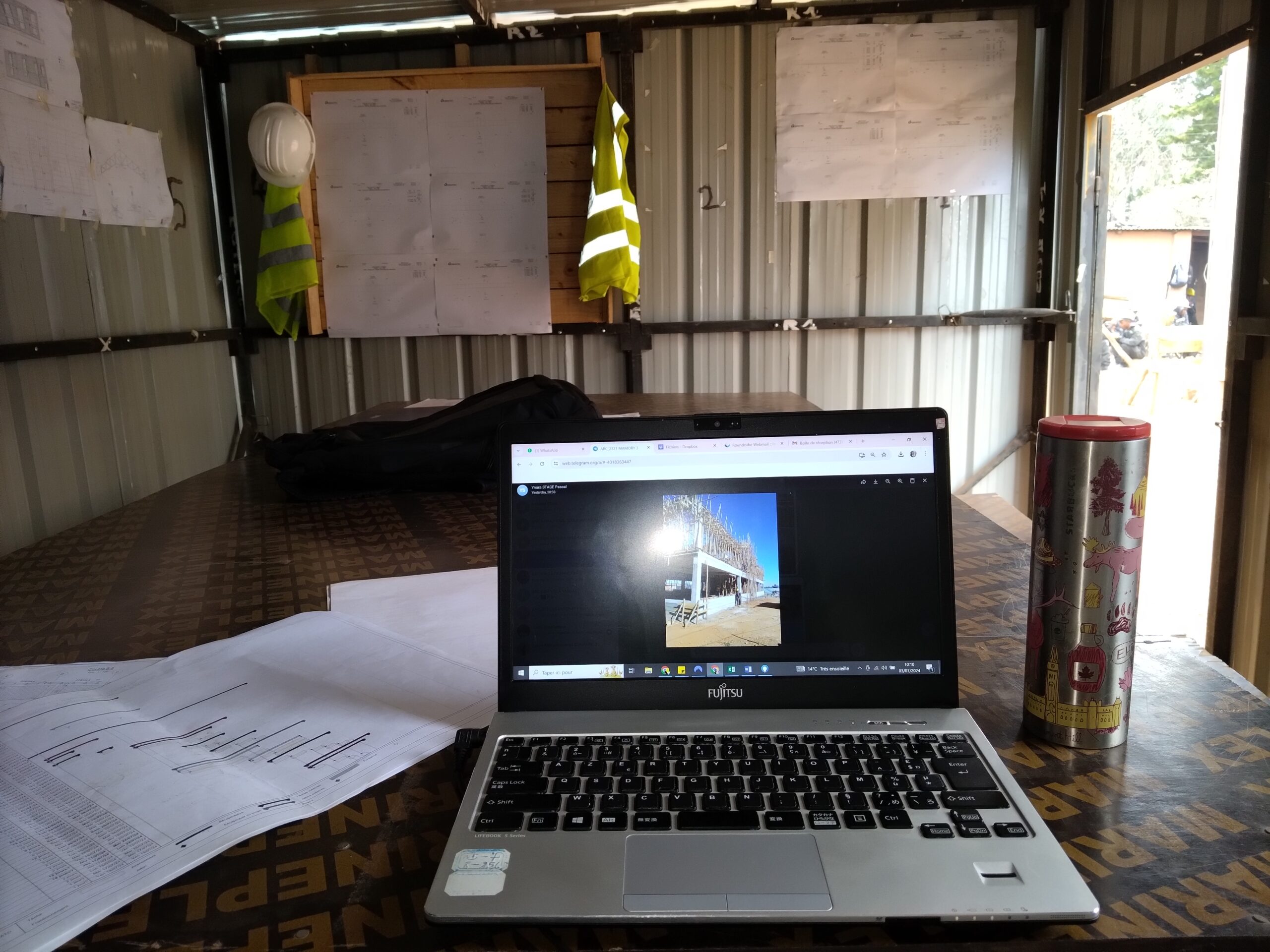
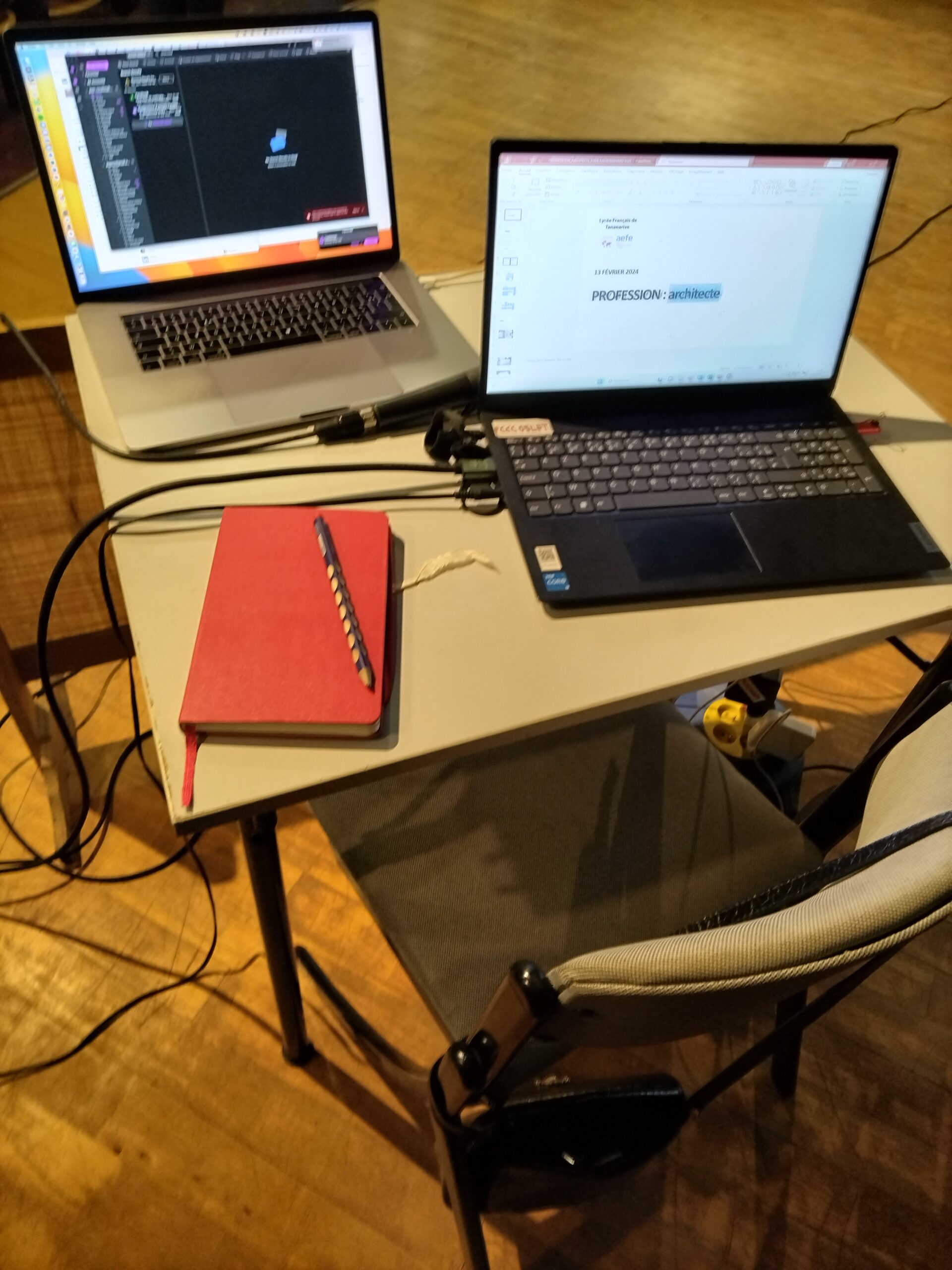
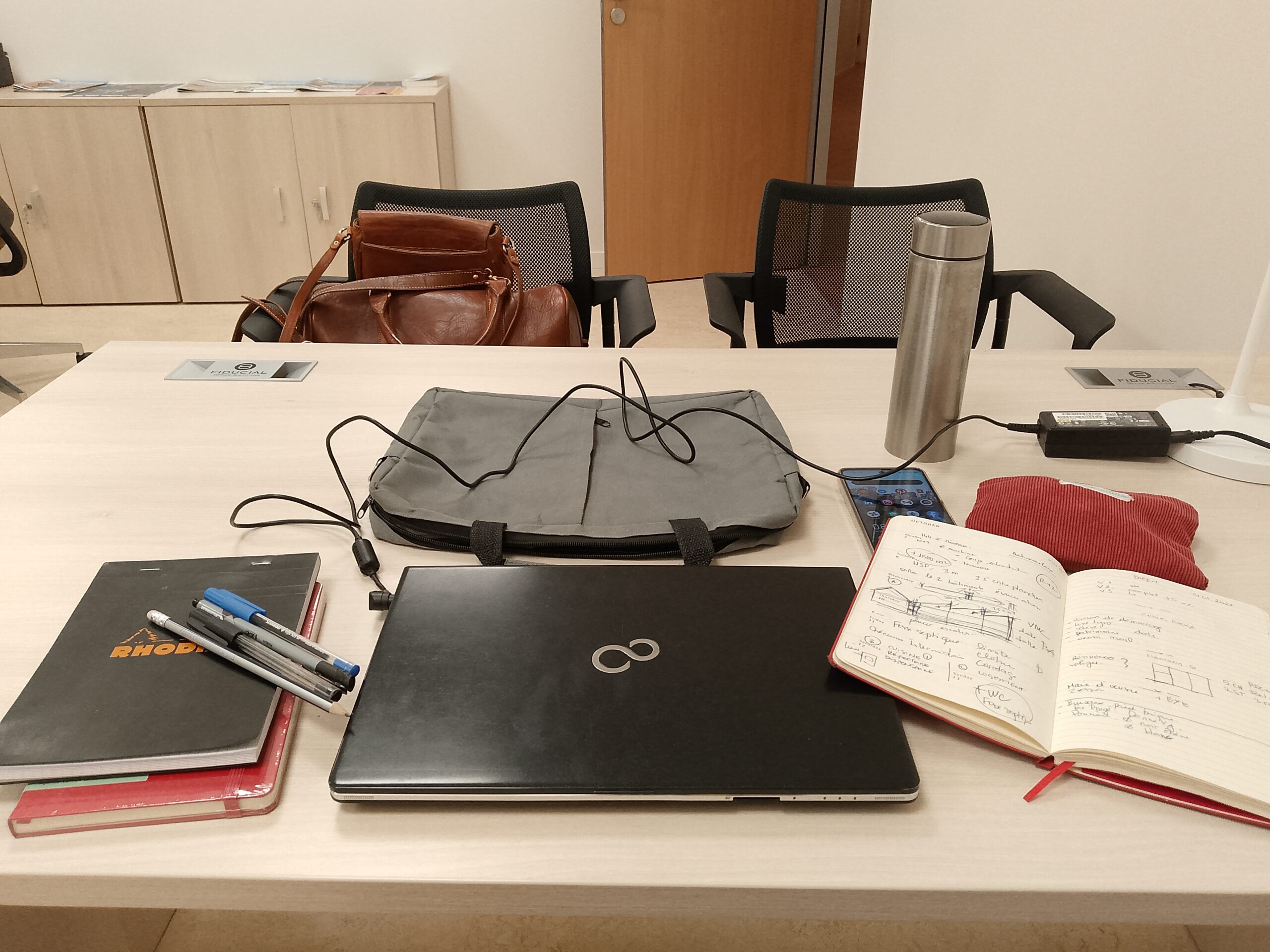
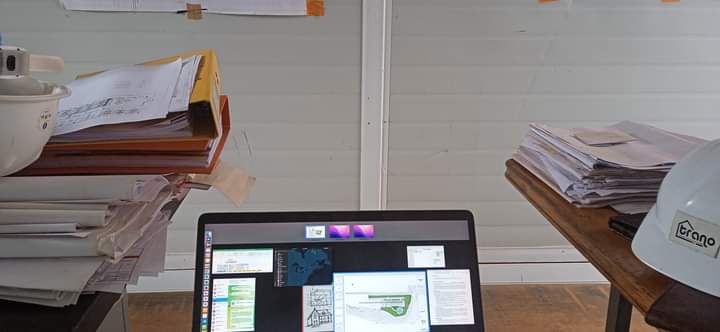
Trano Architecture introduced remote collaboration as early as 2015, formalizing it fully by 2017 as part of a broader effort to rethink conventional practice structures. This approach sought to reduce geographic constraints, enable better work–life balance, attract talent beyond major urban centers, and foster a culture of autonomy and individual responsibility. Communication was deliberately kept lightweight and largely asynchronous, relying primarily on messaging platforms rather than frequent or formal meetings. The underlying assumption was that skilled professionals, once trusted and adequately supported, would self-organize efficiently and take ownership of both their time and their deliverables.
2. Compensation Above Local Benchmarks
Salaries were set significantly higher than prevailing local market rates—often reaching two to three times standard benchmarks. This decision stemmed from an ethical opposition to the chronic underpayment of technical labor, a deliberate effort to contribute to the professionalization of the sector, and the conviction that fair and stable compensation would reduce turnover and external financial pressures. The model assumed that financial security would foster deeper engagement, sustained focus, and long-term commitment.
3. Investment in Training and Certifications
The firm systematically covered software training during paid work hours, professional certifications, and continuous skill development across all levels of the team. Training was not treated as an operational expense but as a long-term investment in collective capacity, technical rigor, and quality assurance, with the expectation that shared competence would strengthen both project outcomes and organizational resilience.
4. Encouragement of Professional Independence
Senior engineers and technicians were explicitly encouraged to develop their own independent practices, with the intention of fostering a collaborative professional ecosystem, avoiding dependency-based employment relationships, and contributing to the elevation of the local professional landscape. The firm envisioned a network of autonomous professionals collaborating through shared expertise rather than a rigid hierarchical organization.
What the Model Achieved
Reputation, Trust, and Market Positioning
Over time, this operating model positioned the firm as one of the most trusted mid-size architectural practices in Madagascar, despite the absence of internationally branded partners or high-profile individual figures. Reliability, agility, and a consistent capacity to deliver complex assignments under constrained conditions became defining characteristics. Public institutions, international organizations, and high-profile private clients relied on the firm not for name recognition, but for demonstrated rigor, discretion, and execution capacity. Trust was earned through delivery rather than visibility.
Talent Development and Professional Impact
Many professionals trained within the firm went on to launch their own businesses, access improved career opportunities, and gain international exposure. From a developmental perspective, the model contributed meaningfully to capacity building and to the broader professionalization of architectural and technical practice.
Flexibility and Resilience
Remote work and decentralized operations allowed the firm to adapt quickly to political instability, health crises, and shifting international project demands. This organizational flexibility proved to be a structural advantage in an environment characterized by uncertainty and disruption.
Navigating Market Volatility
The firm operated in a volatile market marked by recurrent payment delays, irregular cash flows, opaque administrative procedures, and systemic governance challenges. These constraints were compounded by widespread corruption and a persistent lack of understanding among many clients regarding the scope and value of the architect’s mission, often reduced to a purely technical or drafting role. Together, these factors increased contractual friction and elevated the overall risk profile of practice.
Structural Weaknesses and Failure Points
1. Trust Without Enforceable Accountability
The most significant vulnerability lay in the imbalance between trust and control. While autonomy was high, mechanisms to enforce deadlines, ensure deliverable quality, and regulate engagement remained weak or informal. Over time, delays accumulated, responsibilities became diffuse, and client relationships were strained. Once trust was broken asymmetrically, it could not be restored through goodwill alone.
2. Ambiguous Status of Senior Collaborators
Encouraging senior staff to develop independent practices was ethically sound but structurally incomplete. In the absence of clear contractual redefinitions and explicit exit or partnership frameworks, some collaborators remained loosely attached to the firm while disengaging operationally. Minimal contributions combined with continued expectations of compensation generated operational bottlenecks, financial leakage, and reputational risk.
3. Permanent Training Mode and Loss of Continuity
As senior engagement declined, turnover increased, forcing the firm into a continuous cycle of onboarding and training junior collaborators. This dynamic slowed production, eroded institutional memory, and significantly increased the managerial and cognitive load borne by the founder, undermining scalability and sustainability.
4. Concentration of Risk at Leadership Level
Delivery delays and contractual failures exposed the firm to client pressure, debt recovery actions, and tax authority scrutiny. The cumulative effect was founder exhaustion. Although the model aimed to distribute responsibility, it ultimately concentrated operational risk and psychological stress at the top.
Strategic Pivot and Lessons Learned
Despite these pressures, the firm preserved its reputation and regional recognition. Maintaining this standing required a deliberate reassessment of exposure to operational, financial, and reputational risk. The strategic pivot that followed was not a retreat from ambition, but a protective measure to safeguard accumulated credibility and intellectual capital.
1. Withdrawal from High-Risk Engagements
From December 2024 onward, the firm reduced exposure by withdrawing from public procurement and refocusing on heritage, research, and history-based activities. This shift preserved intellectual and cultural value without operational overextension.
2. Externalization of Execution
In early 2025, remaining contractual obligations were completed through an external consultant managing interns. This structure restored delivery discipline and clarified responsibility, confirming that clear authority, defined scope, and contractual enforcement are more effective than reliance on informal loyalty.
3. Recentring Responsibility Through Individual Practice
I also chose to leverage the visibility and credibility built through the firm’s work to assume a more central role as an individual consultant. This transition allowed me to take on greater responsibility for project leadership, client relationships, and strategic decision-making, while operating within a more controlled and clearly defined scope. By positioning myself directly at the interface between clients, institutions, and project teams, I was able to preserve continuity, reinforce accountability, and reduce exposure to the operational risks that had accumulated under a distributed model. This shift did not negate the collaborative ethos developed over time, but reframed it around clearer authority, contractual clarity, and personal responsibility for delivery.
Key Lessons for Similar Practices
This experience highlights several critical lessons for practices operating in comparable contexts. Generosity, while ethically commendable, cannot substitute for a governance model and must be supported by enforceable structures. Autonomy, particularly in trust-based and decentralized organizations, requires explicit accountability mechanisms to ensure clarity around responsibilities, timelines, and deliverables. Encouraging professional independence among senior collaborators must be accompanied by formal transition frameworks to prevent ambiguity and disengagement. Similarly, sustained investment in training must be protected through retention or delivery clauses to avoid becoming structurally unsustainable. Finally, founders and principal leaders must resist absorbing systemic risk alone; organizational models must distribute both freedom and responsibility in a way that safeguards individual well-being and long-term viability.
Conclusion
The Trano Architecture experience demonstrates that alternative, trust-based collaborative models are not only possible but necessary in contexts where traditional structures fail. However, such models must evolve alongside strong governance, clear contractual frameworks, and realistic assumptions about professional behavior. The strategy did not fail because it was idealistic, but because values were not sufficiently supported by enforceable structures. Its legacy lies in the clarity it offers for future practice: ethics and sustainability must be designed together, not sequentially.