











for #dendrophiles, Antson’ny tontolo miaina
This three-month series unfolds in three chapters:
Chapter 1 — The Guardians: portraits and testimonies
Chapter 2 — Trees: symbolism, histories, ecological values
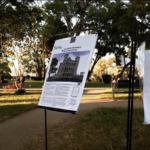
Chapter 3 — The Exhibition: materials, approach, and gathered voices
Together, they extend the conversation far beyond the exhibition space, into everyday life, memory, and responsibility.
From the Guardians to the Trees
The first chapter was dedicated to those who stand closest to forests: researchers, botanists, community leaders, activists, educators. Their voices revealed something essential — forests are never abstract. They are lived spaces, worked landscapes, fragile systems shaped by care, conflict, patience, and resistance.
Listening to the Guardians made one thing clear: protecting trees is not only about biodiversity indicators or hectares saved. It is about relationships — between people and land, between knowledge and practice, between memory and survival.
Chapter 2 begins from that realization. To speak of trees, we must go beyond aesthetics or symbolism alone. We must ask which trees, whose trees, and what histories they carry.
Trees Are Not Neutral
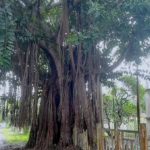
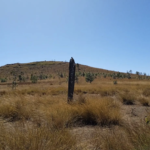
Some became national icons while surviving in landscapes stripped of their original forests. Their continued presence does not signal ecological abundance, but rather the endurance of species adapted to disturbance, openness, and loss. What is celebrated as emblematic is sometimes not the health of an ecosystem, but the visible remainder of what once existed — a living trace, a skeletal memory of former forests.
Trees That Build Communities
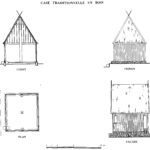
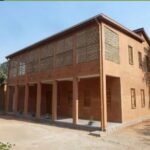
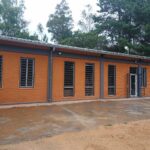
In the Grand Sud, the Fantiolotse is not just a species. It is an architectural and social anchor. It shelters, supports, structures. It allows communities to build together, adapt to scarcity, and transmit knowledge across generations.
This tree reminds us that ecological value is inseparable from social function. Protection does not mean exclusion. It means sustaining relationships that already exist.
The Exiled Tree
The flamboyant tells another story. Celebrated, photographed, planted everywhere, it has become a visual emblem — yet it barely exists in a natural state in Madagascar today.
An endemic tree turned ornamental.
A symbol disconnected from its ecological reality.
A reminder of how colonial botany, landscaping, and desire can transform living beings into aesthetic objects.
The flamboyant is an exile in its own land.
Trees as Archives
Trees store more than carbon.
They store memory, labor, displacement, resilience.
They mark childhood gardens, migration, loss, and return.
They witness hurricanes, droughts, and rebuilding.
They teach patience, cooperation, and endurance.
In this chapter, trees are approached as archives of lived experience — ecological, cultural, emotional.
Reading the Forest Differently
Chapter 2 does not aim to catalogue species or romanticize nature. It invites a different reading:
– Trees as political actors
– Trees as social infrastructure
– Trees as witnesses of inequality and care
– Trees as teachers of humility and interdependence
To love trees is not to idealize them. It is to understand what threatens them — and what they sustain.
And What Remains
These reflections are not meant to conclude anything. They simply leave traces — paths to follow, questions to hold, stories that continue to grow quietly, like roots beneath the surface.
Follow the series: https://purplecorner.com/antsonytontolomiaina/
Chapitre 1 – The Guardians #antsonytontolomiaina